Indian weddings are a kaleidoscope of colors, traditions, and joyful celebrations, often spanning several days. As a guest, navigating the sartorial landscape can seem daunting, especially if you’re new to the vibrant customs. But fear not! This guide will walk you through the essential etiquette and style tips, ensuring you look fabulous and feel comfortable while honoring the rich traditions of an Indian wedding.
Understanding the Multi-Day Affair: Events and Attire
Unlike single-day Western ceremonies, Indian weddings typically involve multiple events, each with its own mood and dress code. Knowing the typical schedule will help you plan your outfits accordingly.
1. The Mehendi Ceremony
What it is: A pre-wedding celebration where intricate henna designs are applied to the bride’s hands and feet, and often to female guests as well. It’s usually a relaxed, daytime event filled with music, food, and laughter.
Vibe: Casual, festive, lively.
What to wear: Think comfortable and colorful. A light saree, a vibrant anarkali, a stylish palazzo suit, or a long skirt with a crop top are perfect. Opt for fabrics like cotton, georgette, or chiffon that allow ease of movement. Bright colors like yellows, greens, oranges, and pinks are encouraged.
Pro-Tip: Since your hands might be adorned with henna, avoid anything too formal or restrictive on your wrists and lower arms. Short sleeves or sleeveless outfits are practical.
2. Sangeet/Cocktail Night
What it is: Often combined, the Sangeet is an evening of music, dance performances (by family and friends), and often, a DJ. The Cocktail night might be more Western-influenced with drinks and dancing.
Vibe: Glamorous, energetic, party-like.
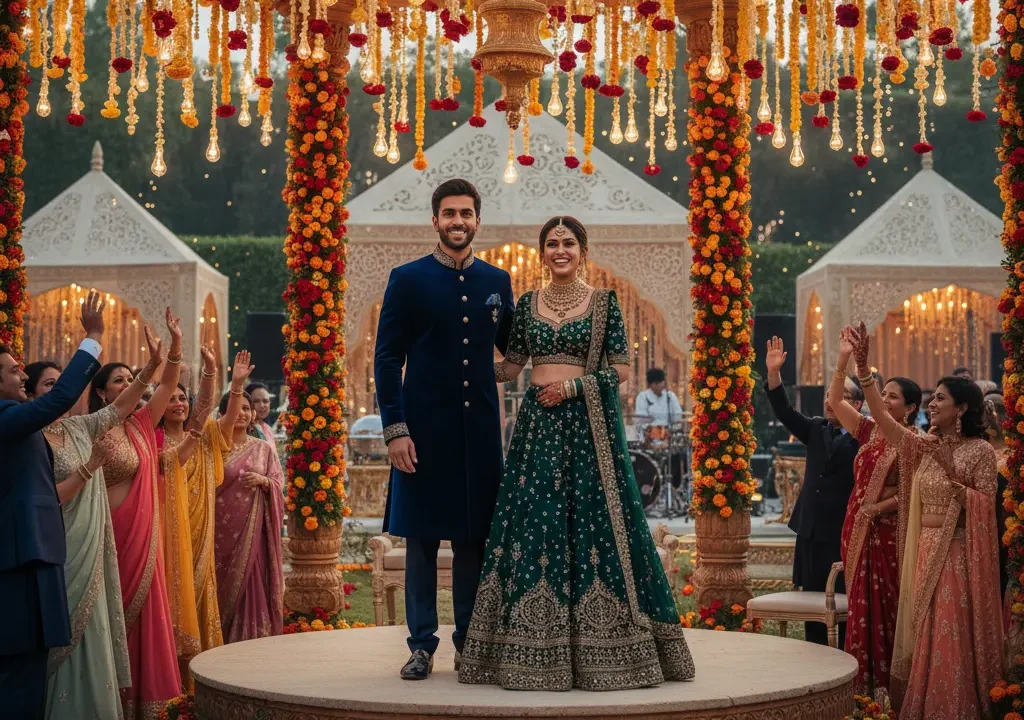
What to wear: This is your chance to shine! A heavily embroidered lehenga, a floor-length gown, a designer saree, or a chic suit (for men) works wonderfully. For women, consider sequins, intricate threadwork, or rich fabrics like silk or velvet. Darker, jewel tones like emerald green, sapphire blue, ruby red, or deep purples are popular.
Pro-Tip: You’ll likely be dancing, so comfortable footwear (think embellished flats, block heels, or wedges) is crucial.
3. The Wedding Ceremony (Pheras/Nikkah)
What it is: The main event! This is the sacred ritual where the couple exchanges vows and completes traditional ceremonies. Depending on the region and religion, this could be a daytime or evening affair.
Vibe: Traditional, respectful, formal.
What to wear: This calls for your most elegant ethnic wear. For women, a beautiful saree (silk, Banarasi, Kanjeevaram), a grand lehenga, or a heavily embellished salwar kameez is appropriate. Red, maroon, and gold are traditional colors, but other rich hues like royal blue, deep green, or magenta are also excellent choices. Avoid white (unless specified by the family, as it’s often associated with mourning in some cultures) and black (though increasingly accepted, brighter colors are preferred). For men, a sherwani or a traditional suit with a vest is ideal.
Pro-Tip: Shoulders and knees should generally be covered as a sign of respect. Carry a dupatta or stole if your outfit is sleeveless or has a low neckline, especially if attending a religious ceremony in a temple or gurudwara.
4. The Reception
What it is: The grand finale! This is typically a lavish party to celebrate the newlywed couple, often with food, drinks, music, and dancing.
Vibe: Elegant, celebratory, sophisticated.
What to wear: Similar to the Sangeet, but often even more opulent. A designer lehenga, an exquisite saree, an evening gown, or a tailored suit (for men). You can go all out with embellishments, rich fabrics, and statement jewelry.
Pro-Tip: This is where you can often be a bit more experimental with modern silhouettes and contemporary interpretations of ethnic wear.
General Etiquette & Style Tips for All Guests
Color Play
Embrace color: Indian weddings are synonymous with vibrant hues. Don’t shy away from bright pinks, sunny yellows, emerald greens, and royal blues.
Be mindful of red (for women): While guests can wear red, traditionally it’s the bridal color. If the bride is wearing a classic red lehenga, you might opt for other rich shades to avoid clashing. However, in modern weddings, this rule is less strict.
Avoid white and black (traditionally): As mentioned, white is often associated with mourning, and black, while fashionable, can be seen as inauspicious for celebrations. While many modern Indian weddings are more relaxed about these colors, if in doubt, opt for something brighter.
Neutrals as a base: If you prefer subtle elegance, choose a neutral-colored outfit and add pops of color with your accessories, like a bright dupatta or statement jewelry.
Comfort is Key
Footwear: You’ll be standing, socializing, and possibly dancing for long hours. Opt for comfortable flats, wedges, or block heels. If you must wear stilettos, bring a pair of flats for later in the evening.
Fabric choice: Consider the weather. Cottons, georgettes, and chiffons are great for warmer climates, while silks, velvets, and brocades are better for cooler weather or grand evening events.
Jewellery & Accessories
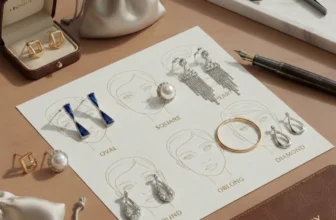
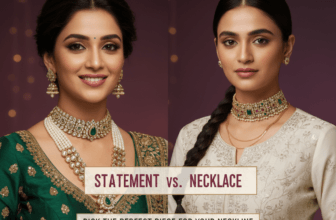
Statement pieces: Indian outfits often call for bold jewelry. Don’t be afraid to wear chandelier earrings, a statement necklace, bangles, or cocktail rings.
Matching sets: While traditional, modern styling often favors mixing and matching. A statement earring with a simple bracelet can be more impactful than an entire matching set.
Hair & Makeup: Indian wedding fashion often pairs well with elaborate hairstyles (buns, braids, soft curls) and elegant makeup that complements your outfit.
Bags: A small clutch or potli bag is ideal for carrying essentials like your phone, lipstick, and some cash.
Respectful Considerations
Modesty: While attire can be glamorous, it’s generally best to err on the side of modesty, especially for the main ceremony. Avoid overly revealing outfits.
Cultural Sensitivity: When in doubt about what to wear, observe what others are wearing or consult with the couple or a common friend.
Footwear Removal: If the ceremony takes place in a temple or gurudwara, you will need to remove your shoes before entering. Wear footwear that is easy to slip on and off.
Covering your head: In some religious ceremonies (especially in gurudwaras), women may be required to cover their heads as a sign of respect. Carry a dupatta or scarf for this purpose.
Where to Find Your Perfect Outfit (Hint: Saavra.in!)
You don’t need to travel to India to find authentic and stunning ethnic wear. Websites like Saavra.in offer a curated selection of:
Beautiful Sarees: From traditional silks to contemporary georgettes, perfect for ceremonies and receptions.
Elegant Lehengas: Ideal for Sangeet nights and grand wedding celebrations.
Chic Salwar Kameez & Anarkalis: Versatile options for Mehendi, Sangeet, or even the main wedding ceremony if you prefer comfort and style.
Imitation Jewellery: The perfect accessories to complete your look without breaking the bank. Think statement necklaces, dazzling earrings, and bangle sets that perfectly complement your outfit.
Remember, the most important thing is to celebrate with the couple and immerse yourself in the joyous atmosphere. With these tips, you’ll be well-prepared to dress the part and enjoy every moment of the magnificent Indian wedding celebration!